According to historical records, it is believed that foot reflexology has been used for over 5,000 years in ancient China and Egypt.
It is based on the idea that there are pressure points on the feet that are connected to different parts of the body.
Physiotherapist Eunice Ingham developed a detailed map of pressure points on the feet and their relationship to the rest of the body in the 1930s.
What is foot reflexology used for?
Relief of stress and anxiety
Reflexology can help reduce tension in the body and promote relaxation, which in turn can reduce stress and anxiety.
Improved blood circulation
By stimulating pressure points on the feet, blood circulation throughout the body can be improved, which can be beneficial for overall health.
Pain relief
Foot reflexology can help alleviate pain in different parts of the body, such as headaches, back pain, and menstrual pain.
Stimulation of the immune system
By improving blood circulation and reducing stress, foot reflexology can help strengthen the immune system and enhance the body’s ability to fight diseases.
Improved sleep
Reflexology can help improve sleep quality and reduce sleep-related issues, such as insomnia and sleep apnea.
Technique of foot reflexology massage.
Foot preparation.
Before starting the therapy, it’s important to prepare the foot. You can do this with a gentle and slow massage to warm up the foot and improve blood circulation. You can also apply a moisturizing cream to make the skin soft and ready for the massage.
Buy it on Amazon.
Pressure techniques.
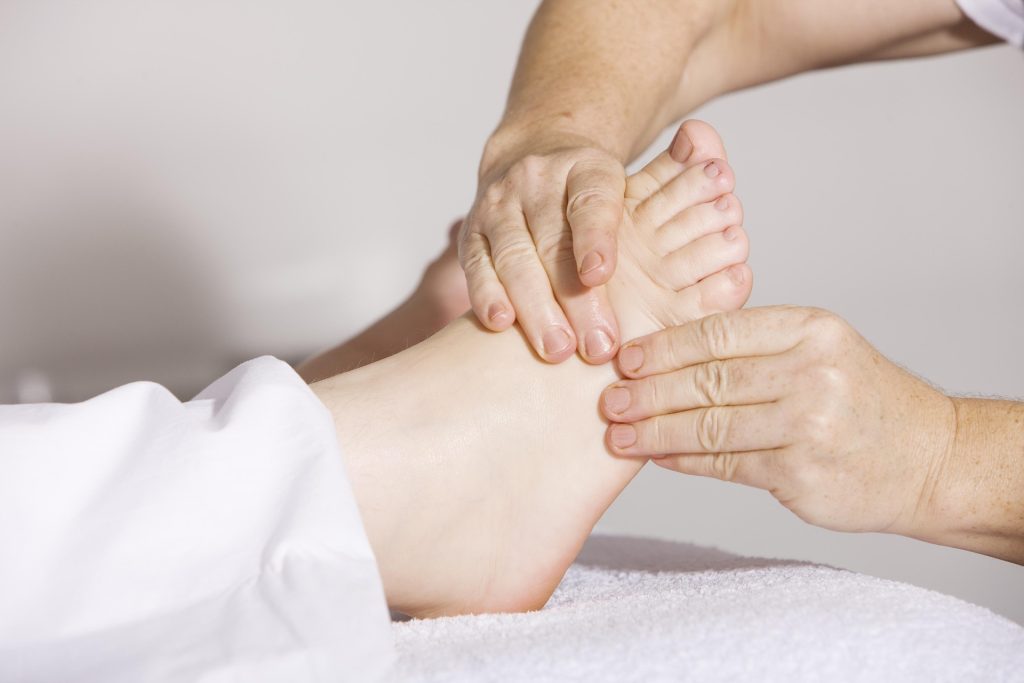
Foot reflexology uses different pressure techniques to stimulate pressure points on the feet. These techniques may include direct finger pressure, the use of hands, or the use of tools such as sticks or massage rollers. The pressure should be firm but not painful, and it should last from 7 seconds to a minute per pressure point. In Thailand, the use of a specific stick is very common.
Types of pressure.
There are different types of pressure used in foot reflexology, including static pressure, sliding pressure, also called caterpillar, and circular pressure.
Static pressure involves applying direct pressure on a specific pressure point without movement.
Sliding pressure involves moving the fingers or hands over the foot in a specific direction.
Circular pressure involves moving the fingers or hands in circles over the pressure point.
Relaxation techniques.
After stimulating the pressure points, a relaxation technique, such as a gentle massage, can be applied to help relax the feet and enhance the overall sense of well-being, and finish with some stretching.
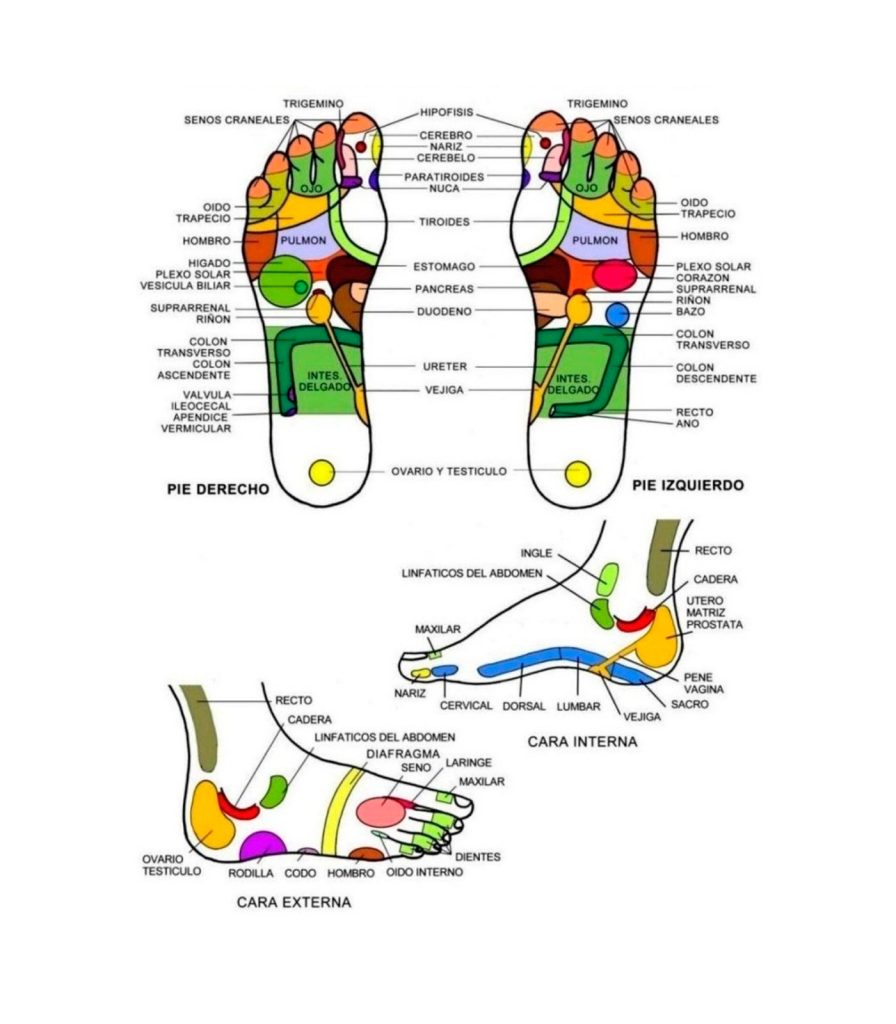
Points of reflexology.
Contraindications of reflexology.
Contraindications of foot reflexology include:
Acute inflammation or injuries in the foot.
Fractured foot. High fever.
Deep vein thrombosis.
Chronic diseases.
If you have any concerns or health conditions, it’s important to consult with a qualified professional before receiving foot reflexology.
Pregnancy and reflexology massage.
Reflexology is generally considered safe during pregnancy, but it’s important to consult with a doctor before receiving any treatment.
Reflexologists prefer to wait until after the first trimester of pregnancy.
One study found that reflexology reduced various pregnancy symptoms by 50%. Reflexology is used as an alternative to medication to promote labor.
In another study, first-time mothers who received reflexology had a shorter labor, and many did not need anesthesia.